نوع مقاله : مقاله پژوهشی
عنوان مقاله English
نویسندگان English
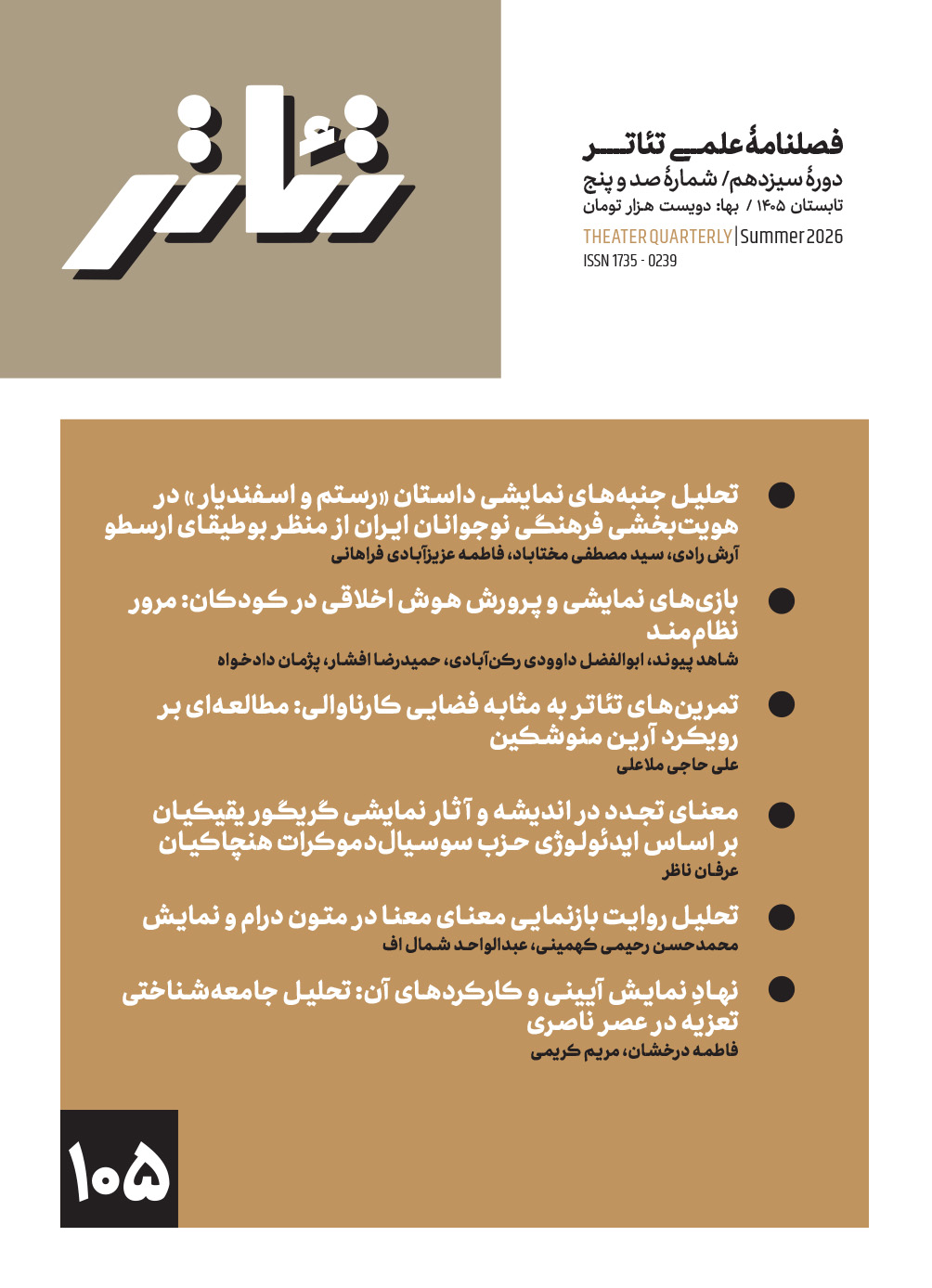
The Shahnameh of Ferdowsi is widely recognized as the greatest masterpiece of Persian epic literature and one of the most influential cultural texts in Iranian civilization. Beyond its literary and historical significance, the Shahnameh has played a fundamental role in preserving the Persian language, transmitting collective memory, reinforcing national identity, and communicating ethical values across generations. Among its numerous narratives, the story of Rostam and Esfandiar occupies a unique position because of its sophisticated dramatic structure, profound philosophical themes, multidimensional characterization, and remarkable theatrical potential. More than a heroic conflict, this narrative presents a tragic confrontation between two noble protagonists whose opposing ethical commitments ultimately lead to an inevitable catastrophe. These characteristics make the story one of the closest examples of classical tragedy within Persian literature and an appropriate subject for analysis through Aristotle’s theory of tragedy presented in the Poetics. The present study aims to investigate the dramatic characteristics of the story of Rostam and Esfandiar based on Aristotle’s six elements of tragedy—plot, character, diction, thought, melody, and spectacle—and to examine how these dramatic elements contribute to the cultural identity formation of Iranian adolescents. In contemporary societies, where globalization, digital media, and cultural diversity increasingly influence young people’s identities, literary masterpieces possessing enduring ethical and cultural values can function as effective educational resources. The Shahnameh, particularly the story of Rostam and Esfandiar, provides adolescents with opportunities to engage with concepts such as justice, responsibility, freedom, national identity, courage, moral choice, and social commitment. Consequently, analyzing this narrative from both literary and educational perspectives contributes not only to Persian literary criticism but also to cultural studies and identity education. This research employs a descriptive-analytical methodology based on documentary and library research. Primary data were collected from Ferdowsi’s Shahnameh, while secondary sources include studies on Aristotelian poetics, Persian epic literature, dramatic theory, and cultural identity. The analytical framework is grounded in Aristotle’s classification of the six essential elements of tragedy. Each element is examined individually to determine its dramatic function within the narrative and its educational implications for adolescent audiences. The study also considers how these dramatic components interact to produce emotional engagement, ethical reflection, and cultural awareness. The analysis demonstrates that the story of Rostam and Esfandiar satisfies all six Aristotelian components of tragedy. The plot possesses remarkable unity and causal coherence. Every major event logically develops from preceding actions, beginning with Goshtasp’s political ambitions and culminating in the fatal conflict between Rostam and Esfandiar. The tragedy arises not from accidental events but from inevitable consequences produced by conflicting duties, political manipulation, and ethical dilemmas. This coherent structure generates dramatic tension while illustrating the consequences of human decisions. For adolescent readers, such a carefully organized plot encourages critical thinking by emphasizing the relationship between individual choices and their long-term consequences. The characters constitute another significant strength of the narrative. Rostam and Esfandiar are portrayed as morally complex rather than absolutely virtuous or villainous figures. Rostam symbolizes wisdom, independence, experience, patriotism, and traditional Iranian chivalry. His reluctance to engage in battle reflects prudence rather than fear, demonstrating his commitment to justice and rational judgment. Esfandiar, on the other hand, embodies religious devotion, obedience, discipline, courage, and loyalty to royal authority. His tragedy emerges from his unwavering commitment to duty despite recognizing the injustice of the mission imposed upon him. Because both protagonists possess admirable qualities, readers experience sympathy toward each character simultaneously, intensifying the emotional impact of the narrative. This psychological complexity provides adolescents with realistic models of ethical conflict, illustrating that difficult life decisions often involve competing moral responsibilities rather than clear distinctions between good and evil. The element of diction represents another important dramatic characteristic. Ferdowsi’s elevated yet expressive language combines poetic beauty with dramatic dialogue. Conversations between Rostam, Esfandiar, Zal, Goshtasp, and other characters serve not merely as narrative devices but as vehicles for philosophical debate and ethical reasoning. Through dialogue, themes such as justice, loyalty, authority, freedom, and honor are explored in depth. Furthermore, the linguistic richness of the Shahnameh contributes significantly to preserving the Persian language and literary heritage. For adolescent readers, exposure to this refined language strengthens linguistic competence while fostering appreciation for Persian literary traditions and cultural continuity. The thought or thematic dimension of the narrative contains numerous philosophical and ethical concepts that remain relevant in contemporary society. One central theme concerns the conflict between political power and moral responsibility. Goshtasp’s determination to preserve his throne motivates him to manipulate Esfandiar into confronting Rostam, thereby exposing the destructive consequences of irresponsible leadership and political ambition. Another important theme is the tension between duty and personal freedom. Esfandiar’s obedience to royal command contrasts with Rostam’s insistence upon independent moral judgment, encouraging readers to reflect upon the limits of obedience and the necessity of ethical responsibility. The narrative also explores the relationship between fate and free will. Although prophecy and destiny influence the events, the characters retain moral agency and remain accountable for their choices. Additional themes—including justice, legitimacy of political authority, national identity, heroism, sacrifice, wisdom, and social responsibility—provide adolescents with opportunities to engage critically with enduring philosophical questions. Another essential component is melody, which Aristotle regarded as an important source of emotional influence within tragedy. In the context of the Shahnameh, melody is realized through Ferdowsi’s poetic rhythm, phonetic harmony, and musical quality of verse rather than theatrical music. The rhythmic structure of Persian epic poetry intensifies emotional expression during scenes of dialogue, battle, grief, and reflection. The balanced meter, repetition of sounds, and carefully selected vocabulary create an aesthetic experience that strengthens readers’ emotional engagement with the narrative. This artistic quality increases memorability and contributes to the educational effectiveness of the text, making ethical and cultural messages more deeply internalized by adolescent audiences. The final Aristotelian element, spectacle, reveals the narrative’s extraordinary dramatic potential. Although originally composed as an epic poem rather than a theatrical script, the story contains numerous vividly visual scenes suitable for dramatic adaptation. Highly theatrical moments are collectively created by the arrival of Esfandiar’s army in Sistan, the emotionally charged dialogues between Rostam and Esfandiar, the appearance of Zal and the mythical Simurgh, the magnificent battle scenes, Esfandiar’s tragic death, and the subsequent emotional reactions. Ferdowsi’s detailed descriptions of landscapes, weapons, horses, costumes, and battlefield movements enhance the visual imagination and facilitate adaptation into theater, cinema, television, animation, puppet theater, storytelling performances, and digital educational media. Given the increasing influence of visual media on contemporary adolescents, these dramatic possibilities provide valuable opportunities for introducing younger generations to Iran’s literary and cultural heritage through modern artistic forms. The findings indicate that the interaction among these six dramatic elements transforms the story into a comprehensive educational experience extending beyond literary enjoyment. Emotional engagement generated by tragic conflict encourages empathy, while philosophical themes stimulate reflection upon justice, authority, responsibility, freedom, and ethical decision-making. Simultaneously, the preservation of the Persian language, heroic ideals, and historical memory reinforces adolescents’ cultural identity and national consciousness. Rather than presenting simplistic moral lessons, the narrative encourages critical evaluation of complex human situations, thereby supporting intellectual maturity and ethical development. Furthermore, the study suggests that the dramatic structure of the story significantly enhances its pedagogical value. Educational activities based on dramatic adaptation—including theater performances, storytelling, classroom discussions, role-playing, animation, and multimedia productions—can effectively increase adolescents’ engagement with classical Persian literature. Such approaches improve literary appreciation and promote communication skills, critical thinking, creativity, collaborative learning, and cultural awareness. Consequently, integrating selected narratives from the Shahnameh into secondary-school curricula and extracurricular cultural programs may strengthen students’ emotional connection with Iranian cultural heritage while addressing contemporary challenges related to identity formation. In conclusion, the analysis demonstrates that the story of Rostam and Esfandiar is far more than a heroic or tragic narrative. It represents a multidimensional cultural text whose dramatic characteristics closely correspond to Aristotle’s theory of tragedy while simultaneously serving important educational and identity-building functions. The coherent plot, psychologically complex characters, expressive language, profound philosophical themes, poetic musicality, and rich visual imagery collectively establish the story as one of the finest examples of dramatic literature within the Persian literary tradition. Through these elements, the narrative cultivates ethical reflection, emotional intelligence, cultural consciousness, and national identity among adolescent readers. The educational implications of this research suggest that the Shahnameh should be viewed not merely as a historical literary monument but as a dynamic cultural resource capable of addressing contemporary educational needs. Purposeful incorporation of its dramatic narratives into educational curricula, theatrical productions, digital storytelling, animation, and other creative media can strengthen adolescents’ understanding of Iranian history, language, literature, and cultural values while fostering critical thinking and responsible citizenship. Ultimately, the story of Rostam and Esfandiar demonstrates that classical literature continues to possess enduring relevance for modern societies by providing universal ethical insights alongside the preservation of national cultural identity.
کلیدواژهها English
· ارسطو. بوطیقا. (1343). ترجمه: عبدالحسین زرینکوب. تهران: بنگاه ترجمه و نشر کتاب.
· اسلامی ندوشن، محمدعلی. زندگی و مرگ پهلوانان در شاهنامه. (1378).تهران: سخن.
· براهنی، رضا. قصه نویسی. (1362). تهران: نشر نو.
· حمیدیان، سعید. درآمدی بر اندیشه و هنر فردوسی. (1383) .تهران: قطره.
· شفیعی کدکنی، محمدرضا. موسیقی شعر. (1386). تهران: آگاه.
· شمیسا، سیروس. بیان. (1383). تهران: فردوس.
· صفا، ذبیحالله. حماسهسرایی در ایران. (1374). تهران: فردوس.
· فتوحی، محمود. بلاغت تصویر. (1386). تهران: سخن.
· فردوسی، ابوالقاسم. شاهنامه. (1393). تصحیح جلال خالقی مطلق. تهران: مرکز دایرةالمعارف بزرگ اسلامی.
· کزازی، میرجلالالدین. نامۀ باستان. (1380). تهران: سمت.
· گذرآبادی، محمد. فرهنگ فیلمنامه.1393. تهران. بنیاد سینمایی فارابی.